
When Screens Quietly Take Over Everyday Life
For most people, technology has become a constant companion. The day often begins with a smartphone alarm and ends with one final look at a screen before sleep. Between those moments are emails, social media updates, news notifications, videos, messages, online shopping, and countless other digital interactions.
At first, these technologies were designed to make life easier. They helped people stay connected, learn new things, and access information instantly. In many ways, they still do.
The challenge is that digital tools are so useful and entertaining that they can gradually consume more attention than intended.
Imagine a typical evening. Someone sits down to relax after work and decides to check social media for five minutes. One post leads to another. Then comes a video recommendation, a news article, a few messages, and perhaps an online discussion. Before they realize it, an hour or two has passed.
The experience is familiar to millions of people.
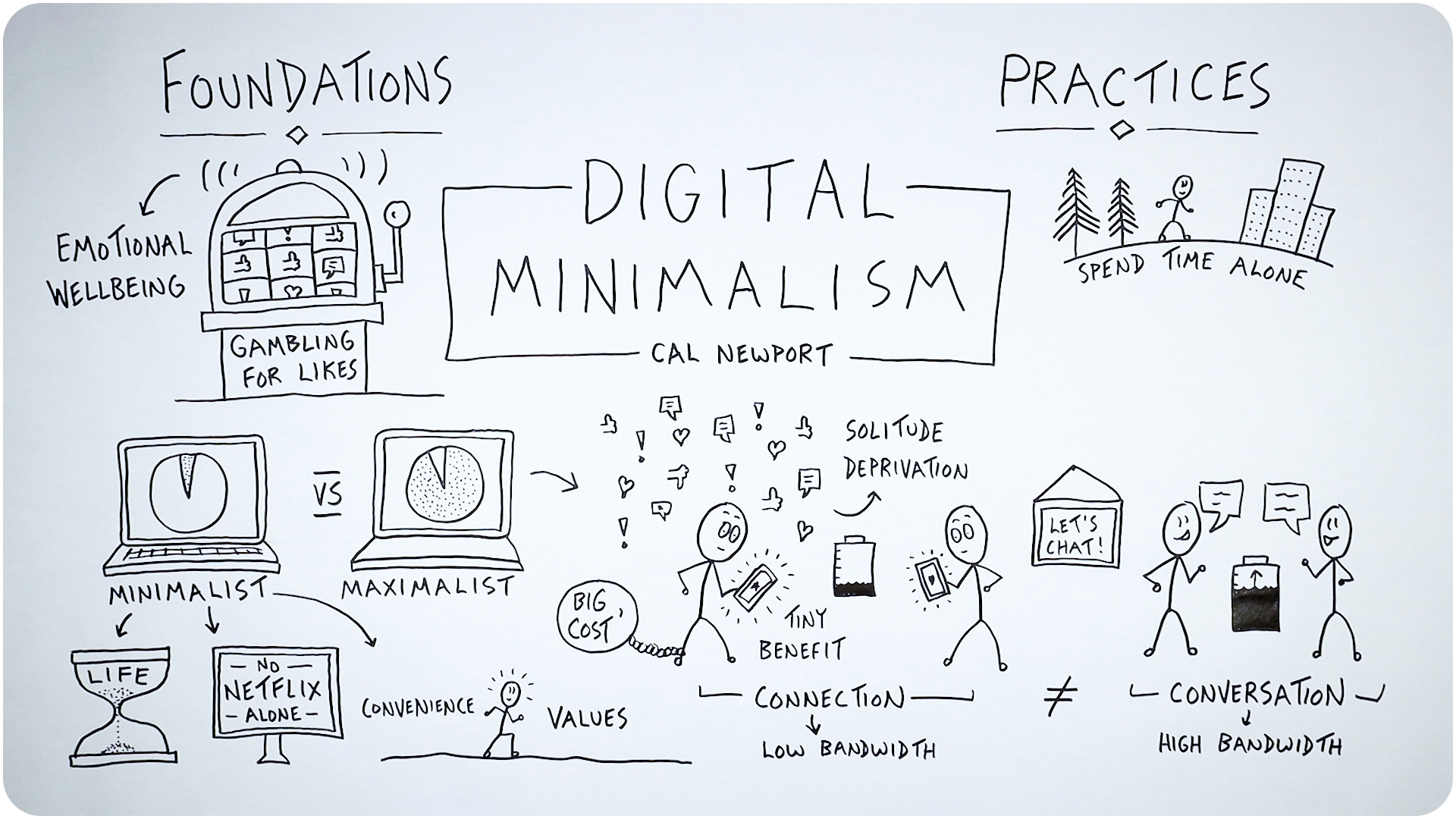
Digital minimalism is not about rejecting technology or living without modern conveniences. It is about using technology intentionally rather than automatically. The goal is to ensure that digital tools serve your life instead of controlling it.
Many people assume reducing screen time means missing out on important information, social connections, or entertainment. However, digital minimalism focuses on keeping what adds value while removing what creates distraction.
Think of it like organizing a home. Most people do not throw away everything they own. They simply remove items that no longer serve a useful purpose. Digital minimalism applies the same idea to technology.
Instead of asking, “How can I stop using technology?” the better question becomes, “Which digital activities genuinely improve my life?”
This shift in thinking often leads to surprising discoveries. Many people realize they spend large amounts of time on activities that provide very little lasting value or satisfaction.
The goal is not less technology for the sake of less technology. The goal is more time, more focus, and more control over how attention is spent each day.
Understanding Where Your Digital Time Goes
One reason screen time grows so easily is that most digital activities are designed to capture attention.
Social media platforms encourage endless scrolling. Video services automatically play the next video. News websites constantly update with fresh content. Messaging apps create a sense of urgency even when immediate responses are unnecessary.
Imagine carrying a small device that can provide entertainment, information, shopping, communication, and endless distractions within seconds. That device is now in nearly every pocket around the world.
The first step toward digital minimalism is awareness.
Many people underestimate how much time they spend on screens. They may believe they check social media occasionally or watch videos only when relaxing. Yet screen-time reports often reveal hours of daily usage spread across dozens of brief sessions.
These moments may seem insignificant individually. Checking a notification takes only seconds. Looking at a message requires just a moment. However, hundreds of small interruptions can consume large amounts of time and attention.
A useful exercise is tracking digital habits for a week. Not to judge or criticize, but simply to observe.
Questions such as these can be helpful:
Which apps receive the most attention?
How often is the phone unlocked each day?
Which digital activities provide genuine value?
Which activities feel automatic or habitual?
Many people discover that certain digital habits are driven more by boredom than necessity. Waiting in line, riding public transportation, sitting in a waiting room, or taking a short break often triggers an automatic reach for the phone.
Digital minimalism encourages replacing unconscious habits with conscious choices.
For example, instead of checking social media every spare moment, someone might read a book, listen to a podcast, observe their surroundings, or simply enjoy a few moments of quiet.
Notifications deserve special attention as well.
Every notification competes for focus. While some alerts are important, many are not. News updates, promotional messages, social media alerts, and app reminders can interrupt concentration throughout the day.
Reducing unnecessary notifications often creates an immediate sense of calm. The phone becomes a tool that serves the user rather than a device constantly demanding attention.
The purpose is not eliminating technology. It is regaining control over how and when technology enters daily life.
Creating Space for What Matters Most
One of the biggest fears people have about reducing screen time is the fear of missing out.
They worry about missing important news, social events, conversations, opportunities, or cultural moments. Yet many people discover the opposite happens when they become more intentional with technology.
Instead of missing out, they begin noticing experiences that were previously overlooked.
Imagine spending an evening with friends while constantly checking a phone. Conversations become fragmented. Attention shifts between the physical world and the digital one.
Now imagine the same evening without those interruptions. Conversations become deeper. Connections feel stronger. Memories become more vivid.
The same principle applies to many areas of life.
Reading a book without interruptions often feels more satisfying than quickly consuming dozens of short social media posts. Taking a walk without constantly checking messages can become surprisingly relaxing. Eating meals without screens allows people to focus on the food, the people around them, and the present moment.
Digital minimalism encourages quality over quantity.
Instead of maintaining dozens of weak digital connections, people often focus on strengthening meaningful relationships. Instead of consuming endless streams of content, they choose information that truly interests or benefits them.
Hobbies frequently return to people’s lives when screen time decreases.
Many adults remember activities they once enjoyed but somehow stopped doing. Reading, painting, gardening, cooking, writing, exercising, photography, playing music, and learning new skills often get pushed aside by passive screen consumption.
When digital distractions are reduced, these activities become easier to rediscover.
Sleep quality can improve as well.
Many people spend the final hour of their day scrolling through content. Bright screens, constant stimulation, and endless information can make it harder to relax before bedtime.
Replacing late-night screen use with reading, journaling, or quiet reflection often supports better rest and recovery.
Productivity benefits too.
Deep work requires concentration, yet constant digital interruptions make sustained focus increasingly difficult. People who reduce unnecessary screen time often find it easier to complete important tasks and maintain attention for longer periods.
The goal is not perfection. Most people still use smartphones, computers, and digital tools daily. The difference is that technology becomes a deliberate choice rather than a default behavior.
Building a Healthier Relationship with Technology
Digital minimalism works best when viewed as a long-term lifestyle rather than a temporary challenge.
Some people attempt dramatic digital detoxes, deleting every app and avoiding screens completely for a period of time. While this approach can provide useful insights, sustainable change usually comes from gradual adjustments.
Small changes often produce the best results.
A person might start by removing unnecessary notifications. Another may decide to keep phones away from the dining table. Someone else may establish screen-free periods during the morning or before bedtime.
These simple habits create boundaries that help technology remain useful without becoming overwhelming.
Intentional technology use is another important principle.
Before opening an app or website, it can be helpful to ask a simple question: “Why am I using this right now?”
Sometimes there is a clear answer. Checking directions, responding to an important message, learning a new skill, or completing work tasks serves a purpose.
Other times, the answer may simply be habit, boredom, or curiosity.
Awareness creates opportunities to make better choices.
Families are also beginning to embrace digital minimalism together. Parents often want children to develop healthy technology habits, but children usually learn by observing adults. When families establish shared screen-free activities, everyone benefits.
Board games, outdoor activities, conversations, cooking, reading, and shared hobbies can strengthen relationships while reducing dependence on screens.
As technology continues evolving, digital minimalism becomes increasingly relevant. New platforms, applications, and devices will continue competing for attention. Learning to manage that attention may become one of the most valuable skills of modern life.
The goal is not to escape the digital world. Technology provides extraordinary opportunities for learning, communication, creativity, and connection. The challenge is using these tools intentionally rather than allowing them to dominate daily life.
When people become more selective about how they spend their digital time, they often discover something unexpected. They do not feel disconnected from the world. Instead, they feel more connected to the things that matter most—relationships, experiences, personal growth, meaningful work, and the simple moments that make everyday life enjoyable.
Digital minimalism is not about having less technology. It is about creating more space for life beyond the screen. By making thoughtful choices about how technology is used, people can enjoy the benefits of the digital age while still maintaining focus, balance, and a sense of control over their time and attention.