
Why Sleep Is More Important Than Most People Realize
For many people, sleep is often treated as something flexible. When life becomes busy, sleep is usually the first thing sacrificed. Work deadlines, social activities, entertainment, family responsibilities, and endless digital distractions often push bedtime later and later.
At first, losing a little sleep may not seem like a major problem. A person stays up late, drinks an extra cup of coffee the next day, and continues with their routine. However, when poor sleep becomes a habit, the effects begin to appear in surprising ways.
Imagine two professionals with similar jobs, diets, and lifestyles. One consistently gets quality sleep, while the other regularly sleeps only a few hours each night. Over time, the differences often become noticeable. The well-rested person tends to have better concentration, more stable energy levels, improved mood, and greater productivity.
The tired person may struggle with focus, experience irritability, make more mistakes, and feel exhausted despite consuming caffeine throughout the day.
Scientists have spent decades studying sleep, and their findings show that sleep is not simply a period of inactivity. While the body appears to be resting, important processes are taking place behind the scenes.
During sleep, the brain organizes information collected throughout the day. Memories are strengthened, learning is reinforced, and unnecessary information is filtered out. The body repairs tissues, supports immune function, regulates hormones, and restores energy for the next day.
This explains why a good night’s sleep often improves both mental and physical performance.
Sleep also affects decision-making. Many people have experienced making poor choices when tired. Small problems feel larger, patience becomes shorter, and concentration becomes more difficult.
In today’s fast-paced world, many individuals view sleep as a luxury. In reality, it is one of the most important foundations of health and well-being.
Understanding how sleep works can help people make small adjustments that lead to more restful nights and better days.
How Modern Life Interferes with Healthy Sleep
Although the human body is naturally designed to sleep, modern lifestyles often make quality rest more difficult.
Imagine life hundreds of years ago. People generally woke up with the sunrise and went to sleep shortly after sunset. Artificial lighting was limited, and daily routines were more closely connected to natural daylight cycles.
Today, things are very different.
Bright screens remain active long after sunset. Smartphones, tablets, televisions, and computers provide endless entertainment and information. Many people spend the final hour of their day staring at digital devices.
This matters because the brain uses light as a signal.
Exposure to bright light, especially in the evening, can interfere with the production of melatonin, a hormone that helps regulate sleep. When melatonin production is delayed, falling asleep often becomes more difficult.
Work schedules can also create challenges. Some professionals work late into the evening or communicate with colleagues across multiple time zones. Others bring work-related stress into the bedroom, making it difficult to relax mentally.
Stress itself is one of the biggest barriers to good sleep.
Imagine lying in bed while thinking about deadlines, financial concerns, family responsibilities, or upcoming events. Even when the body feels tired, the mind may remain active.
Caffeine is another common factor.
Coffee, tea, energy drinks, and certain soft drinks can help people feel more alert during the day. However, consuming caffeine too late in the afternoon or evening may interfere with sleep hours later.
Eating habits also play a role.
Large meals shortly before bedtime can cause discomfort and make restful sleep more difficult. On the other hand, going to bed extremely hungry can also create problems.
Irregular sleep schedules are another challenge.
Many people sleep differently on weekdays and weekends. They may wake early for work during the week and sleep much later on days off. While this may seem harmless, it can confuse the body’s internal clock and make consistent sleep more difficult.
The good news is that many of these challenges can be addressed through simple lifestyle adjustments rather than drastic changes.
Building Habits That Support Restful Nights
Improving sleep often begins with creating a consistent routine.
Imagine going to bed and waking up at roughly the same time every day. Over time, the body begins to expect sleep at predictable hours. This consistency helps regulate the internal biological clock and often makes falling asleep easier.
One of the most effective habits is creating a relaxing evening routine.
Just as athletes prepare before a competition, the body benefits from preparation before sleep. Activities such as reading, gentle stretching, listening to calming music, or taking a warm shower can signal that bedtime is approaching.
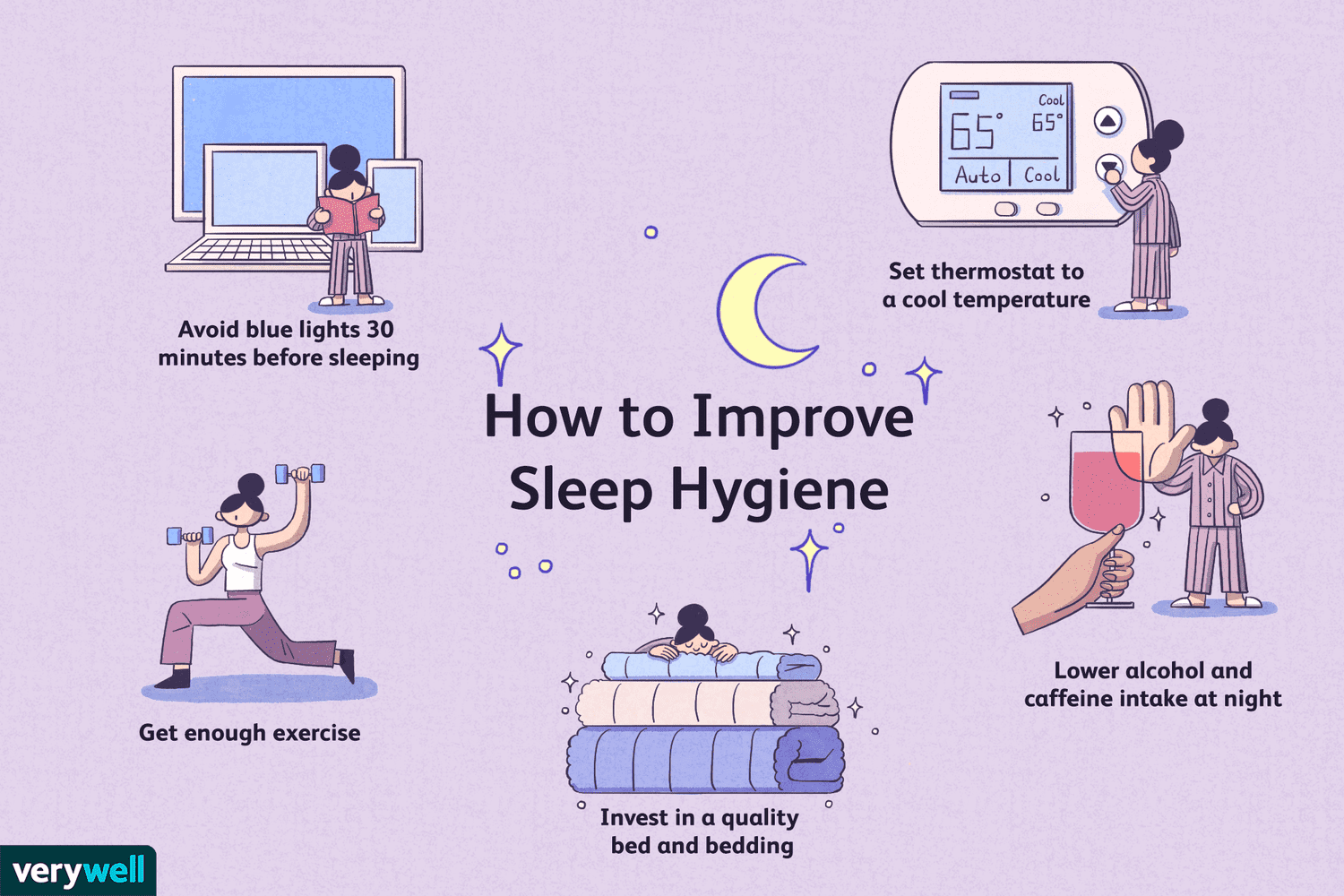
Reducing screen exposure before bed can also help.
This does not mean technology must disappear completely. However, limiting screen use during the final hour before sleep often allows the brain to transition more naturally into a restful state.
The sleep environment matters as well.
A bedroom that is cool, quiet, and comfortable generally supports better sleep. Many people notice improvements simply by reducing noise, blocking excess light, or investing in a comfortable mattress and pillow.
Physical activity during the day can have a surprisingly positive impact on sleep quality.
Regular exercise helps regulate energy levels and supports overall health. People who remain physically active often find it easier to fall asleep and stay asleep.
However, extremely intense exercise immediately before bedtime may leave some individuals feeling too energized to sleep comfortably.
Managing stress is another important factor.
Many people find that writing down thoughts, concerns, or next-day tasks before bed helps clear the mind. Instead of mentally reviewing responsibilities throughout the night, those thoughts are recorded and can be addressed later.
Breathing exercises and mindfulness techniques may also help some individuals relax before sleep.
Nutrition deserves attention as well.
Avoiding excessive caffeine late in the day, limiting heavy evening meals, and staying hydrated without drinking excessive amounts immediately before bedtime can support healthier sleep patterns.
These habits may seem simple individually, but together they create conditions that allow the body to do what it naturally wants to do—rest and recover.
How Better Sleep Improves Everyday Life
Many people focus on the immediate goal of falling asleep faster, but the benefits of quality sleep extend far beyond the bedroom.
Imagine waking up feeling refreshed instead of exhausted.
Tasks that once felt overwhelming often seem more manageable. Concentration improves. Productivity increases. Mood becomes more stable. Physical energy lasts longer throughout the day.
Sleep affects nearly every aspect of life.
Students often learn more effectively when well rested because the brain processes and stores information during sleep. Professionals frequently make better decisions and solve problems more efficiently when they have slept well.
Athletes depend on sleep for recovery and performance. Muscles repair themselves during sleep, and reaction times often improve when the body is properly rested.
Relationships can benefit too.
Many people become more patient, understanding, and emotionally balanced when they are consistently getting enough sleep. Fatigue often contributes to irritability and misunderstandings.
The immune system also relies on quality sleep.
People who regularly sleep well may find that their bodies are better prepared to handle illnesses and recover from physical stress.
Long-term health benefits are equally important.
Researchers continue studying connections between sleep and overall health, and evidence consistently suggests that quality sleep supports physical, mental, and emotional well-being throughout life.
Perhaps the most valuable benefit is that sleep helps people enjoy their daily experiences more fully.
A well-rested person is often more present, more engaged, and more capable of appreciating both work and personal activities. Small challenges feel less overwhelming, and opportunities become easier to recognize.
The science of sleep ultimately reveals a simple truth: sleep is not time lost. It is time invested.
Every night of quality sleep supports learning, recovery, productivity, health, and happiness. While modern life often creates obstacles to restful sleep, small and consistent habits can make a meaningful difference.
By understanding how sleep works and creating routines that support it, people can improve not only their nights but also the quality of their days. Better sleep is one of the most powerful and accessible tools for improving overall well-being, and its benefits can be felt in nearly every part of life.