
Why Stress Has Become a Part of Modern Life
Almost everyone experiences stress at some point. It can appear before an important meeting, during a financial challenge, while dealing with family responsibilities, or even when trying to manage a busy schedule. In small amounts, stress is a normal part of life and can sometimes be helpful.
Imagine a student preparing for an important exam. A certain level of stress may encourage them to study harder and stay focused. A professional working toward a major deadline may feel motivated to complete tasks efficiently because of that pressure.
The problem begins when stress stops being temporary.
Many people today live with stress for weeks, months, or even years without realizing how much it affects their daily lives. What was once a short-term response to a challenge becomes a constant background presence.
Modern life creates many opportunities for stress. Work demands often extend beyond office hours. Smartphones keep people connected to emails and notifications throughout the day. Financial concerns, family obligations, health issues, and social pressures can all compete for attention at the same time.
Imagine waking up and immediately checking messages. Before breakfast, there may already be news updates, work emails, calendar reminders, and social media notifications waiting for attention. The brain begins processing information almost immediately, leaving little opportunity for rest.
Stress itself is not always harmful. In fact, the human body is designed to respond to challenges.
When a stressful situation appears, the body releases hormones that increase alertness and prepare a person to react. Heart rate may increase, muscles become more tense, and attention narrows toward the problem at hand.
Thousands of years ago, this response helped humans survive dangerous situations. Today, however, the same response may be triggered by traffic jams, work deadlines, financial worries, or difficult conversations.
The body often reacts similarly whether the threat is physical or emotional.
When stress continues for long periods, the body may not receive enough opportunities to recover. This can affect sleep, energy levels, concentration, mood, and overall well-being.
Understanding stress is the first step toward managing it effectively. Rather than viewing stress as an enemy, it can be helpful to recognize it as a signal that something in life may need attention, adjustment, or support.
How Stress Affects the Mind and Body
Many people think of stress as a mental experience, but its effects reach far beyond thoughts and emotions.
Imagine carrying a heavy backpack every day. At first, the weight may feel manageable. After a while, however, fatigue begins to appear. Muscles become sore, movement becomes more difficult, and energy levels decrease.
Chronic stress can have a similar effect on the body.
One of the most common signs of stress is physical tension. People often notice tight shoulders, headaches, neck discomfort, jaw clenching, or muscle stiffness during stressful periods. These symptoms may develop gradually and become so familiar that they seem normal.
Sleep is often affected as well.
Someone may feel exhausted at the end of the day but still struggle to fall asleep because their mind remains active. Thoughts continue racing, future concerns dominate attention, and relaxation becomes difficult.
Poor sleep can then increase stress even further, creating a cycle that becomes difficult to break.
Concentration is another area commonly affected.
Imagine trying to read an important document while multiple conversations happen around you. Stress can create a similar effect inside the mind. Thoughts become scattered, attention shifts frequently, and simple tasks may take longer than usual.
Decision-making may also become more difficult.
When stress levels are high, people often focus on immediate concerns rather than long-term goals. Small problems may feel larger than they actually are. Patience becomes harder to maintain, and emotional reactions may become stronger.
Relationships can be affected too.
A person experiencing ongoing stress may become irritable, withdrawn, or less emotionally available. Family members, friends, and coworkers may notice changes even when the stressed individual does not.
Physical health may also be influenced by prolonged stress.
Many people experience changes in appetite, digestion, energy levels, or exercise habits during stressful periods. Some individuals eat more, while others lose interest in food altogether.
The important thing to remember is that these responses are not signs of weakness. They are natural reactions to prolonged pressure.
Recognizing these signs early allows people to take action before stress begins to affect larger areas of life.
Natural Ways to Reduce Stress Every Day
The good news is that managing stress does not always require dramatic life changes. Small daily habits often provide meaningful benefits when practiced consistently.
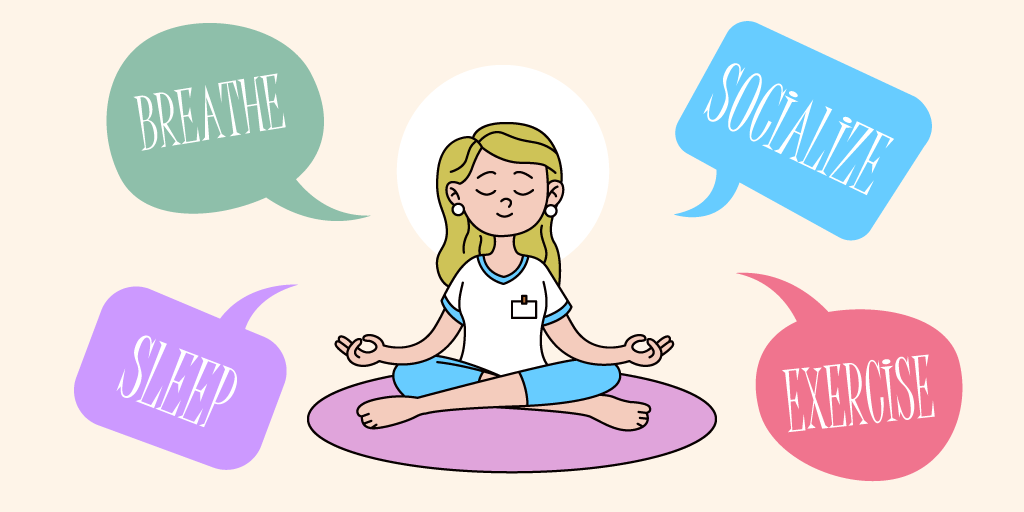
One of the most effective stress-management tools is physical movement.
Imagine finishing a difficult workday and taking a thirty-minute walk outdoors. The problems may not disappear, but many people notice that their minds feel clearer afterward. Movement helps release built-up tension and gives the brain a chance to shift attention away from constant worry.
Exercise does not need to be intense.
Walking, cycling, swimming, stretching, yoga, or dancing can all contribute to stress reduction. The goal is not athletic performance but regular movement.
Breathing is another powerful tool that people often overlook.
During stressful moments, breathing tends to become shallow and rapid. Slowing down and taking deeper breaths can help signal to the body that it is safe to relax.
Even a few minutes of focused breathing can create a noticeable difference.
Spending time in nature also helps many people manage stress more effectively.
Imagine sitting in a park, walking along a beach, hiking through a forest, or simply spending time in a garden. Natural environments often provide a sense of calm that is difficult to find in busy urban settings.
Sleep deserves special attention as well.
A well-rested mind is generally more resilient when facing challenges. Creating a consistent sleep schedule and reducing evening screen time can support both sleep quality and stress management.
Social connection is equally important.
Many people attempt to handle stress entirely on their own. While independence is valuable, meaningful conversations with trusted friends, family members, or colleagues can provide emotional support and perspective.
Sometimes simply sharing concerns with another person reduces their emotional weight.
Hobbies and enjoyable activities should not be overlooked either.
Reading, gardening, painting, cooking, music, photography, and other creative pursuits provide opportunities to focus on something positive rather than constantly thinking about problems.
Mindfulness practices have also become increasingly popular.
Mindfulness does not require hours of meditation. It simply involves paying attention to the present moment rather than constantly dwelling on the past or worrying about the future.
These natural approaches may seem simple, but their effectiveness often comes from consistency rather than complexity.
Building Long-Term Resilience in a Stressful World
Completely eliminating stress from life is neither realistic nor necessary.
Every meaningful life includes challenges, responsibilities, and occasional difficulties. The goal is not to avoid stress entirely but to build resilience—the ability to handle challenges without becoming overwhelmed.
Imagine two people facing the same difficult situation. One feels completely defeated, while the other remains calm and focused despite the challenge.
The difference is often not the situation itself but the resources available to cope with it.
Healthy habits create those resources.
Regular exercise strengthens the body. Quality sleep restores energy. Strong relationships provide support. Effective time management reduces unnecessary pressure. Meaningful hobbies create balance.
Together, these habits make it easier to handle stress when it inevitably appears.
Another important skill is learning to recognize limits.
Many people believe they must say yes to every request, solve every problem, and meet every expectation. Over time, this approach can lead to exhaustion.
Setting healthy boundaries allows people to protect their time, energy, and well-being.
Perspective also matters.
When stress is high, it is easy to view every challenge as urgent or overwhelming. Taking a step back and asking whether a problem will still matter in a week, a month, or a year can often reduce its emotional intensity.
Gratitude can be surprisingly helpful as well.
This does not mean ignoring difficulties. Rather, it involves recognizing positive aspects of life alongside the challenges. Many people find that regularly reflecting on things they appreciate helps create emotional balance.
As modern life continues becoming faster and more connected, stress will likely remain a common experience. New technologies, changing workplaces, financial pressures, and personal responsibilities will continue creating demands on attention and energy.
The key is not trying to escape every source of stress. Instead, it is learning how to respond in healthier ways.
Understanding stress allows people to recognize it earlier. Healthy habits provide tools for managing it. Strong relationships offer support during difficult times.
Most importantly, people can learn that stress does not have to control their lives. While challenges may never disappear completely, it is possible to develop habits and perspectives that make those challenges easier to navigate.
By focusing on natural, sustainable approaches such as movement, rest, connection, mindfulness, and balance, individuals can build resilience that supports both mental and physical well-being. Over time, these simple practices create a stronger foundation for handling life’s pressures while still enjoying its opportunities and experiences.