
Waking Up to an AI-Powered World
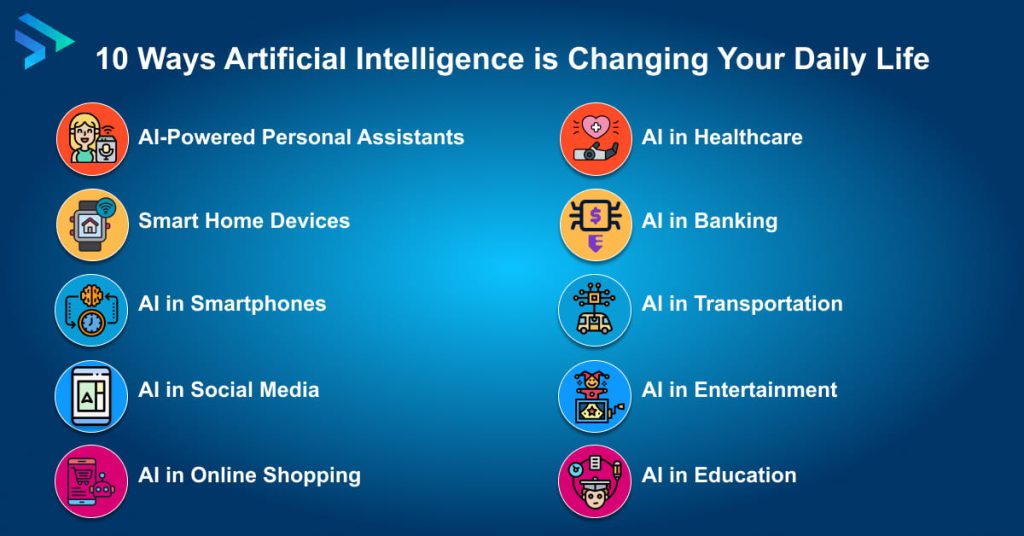
A few years ago, artificial intelligence sounded like something from science fiction movies. People imagined robots walking on streets, talking like humans, and doing complicated jobs. In 2026, the reality is quite different. AI has become a quiet helper that works behind the scenes in everyday life.
Imagine a typical morning. A person wakes up, and their smartphone has already prepared a summary of the day. It shows the weather, important messages, traffic conditions, calendar reminders, and even health recommendations based on sleep quality. None of this requires much effort from the user. AI systems collect information from different sources and organize it in a useful way.
Many people now use AI assistants as naturally as they once used search engines. Instead of searching through multiple websites, they simply ask questions in normal language. Students use AI to understand difficult subjects. Professionals use it to organize meetings, prepare reports, and manage schedules. Parents use it to plan family activities and shopping lists.
Even simple household appliances have become smarter. Refrigerators can suggest recipes based on available ingredients. Smart speakers can control lights, music, and security systems through voice commands. Robot vacuum cleaners learn the layout of homes and clean more efficiently over time.
What makes all of this remarkable is that most people no longer think about the technology itself. AI has become like electricity or the internet—something that quietly works in the background while helping daily life run more smoothly.
How AI Is Transforming Work and Learning
The workplace in 2026 looks very different from what it did just a few years ago. AI has become a tool that helps people work faster and focus on more meaningful tasks.
Consider a small business owner. In the past, they might spend hours writing emails, creating marketing content, analyzing sales reports, and answering customer questions. Today, AI tools can handle many of these routine tasks in minutes. The business owner can spend more time making decisions, meeting customers, and growing the company.
Writers use AI to generate ideas and organize information. Designers use it to create visual concepts more quickly. Software developers use AI coding assistants to identify errors and suggest improvements. Customer service teams rely on AI chat systems to answer common questions around the clock.
Some people worried that AI would replace human workers completely. While automation has changed certain jobs, many organizations have discovered that humans and AI work best together. AI handles repetitive tasks, while people provide creativity, judgment, emotional understanding, and problem-solving skills.
Education has also experienced major changes. Students now have access to personalized learning tools that adapt to individual needs. If a student struggles with mathematics, an AI tutor can explain concepts in different ways until they understand. If someone learns quickly, the system can provide more advanced material without waiting for the rest of the class.
Language barriers are becoming less significant as AI-powered translation tools improve. A student in one country can easily access educational content created in another language. International collaboration has become easier than ever before.
Teachers are also benefiting from these advancements. AI helps prepare lesson plans, grade assignments, and identify students who may need extra support. Instead of spending large amounts of time on administrative work, teachers can focus more on helping students learn and grow.
AI in Health, Shopping, and Daily Decisions
One of the most visible impacts of AI in 2026 can be seen in health and personal well-being. Millions of people now use wearable devices that monitor physical activity, heart rate, sleep patterns, and other health indicators.
These devices do more than collect data. AI analyzes the information and provides practical suggestions. Someone who consistently sleeps poorly might receive recommendations for improving sleep habits. A person who spends too much time sitting may get reminders to move around during the day.
Healthcare providers are also using AI to support diagnosis and treatment planning. Doctors can review AI-generated insights alongside medical expertise to make more informed decisions. This does not replace healthcare professionals, but it gives them powerful tools to improve patient care.
Shopping has become another area where AI plays a major role. Online stores can understand customer preferences better than ever before. Instead of showing thousands of products, they present items that are more likely to match individual interests.
Imagine someone looking for a new laptop. Rather than spending hours comparing specifications, they can describe their needs in simple language. An AI system can recommend suitable options based on budget, work requirements, and personal preferences.
Grocery shopping has also changed. Smart applications help people create shopping lists, compare prices, and reduce food waste. Some systems can even suggest meals based on ingredients already available at home.
Navigation and travel have become more efficient as well. AI analyzes traffic conditions, weather forecasts, public transportation schedules, and road incidents to suggest the best routes. Travelers receive personalized recommendations for hotels, restaurants, and attractions based on their interests.
Throughout the day, people make hundreds of small decisions. AI increasingly acts as a helpful guide, providing information and recommendations that make those decisions easier and more informed.
The Human Side of Living with AI
As AI becomes more common, people are learning that technology alone is not the most important part of the story. The real impact comes from how humans choose to use it.
Many families now use AI tools to save time on routine tasks. Instead of spending hours organizing schedules or searching for information, they can focus on activities that matter more, such as spending time together, learning new skills, or enjoying hobbies.
Older adults are finding AI especially useful. Voice assistants help manage reminders, medications, and appointments. Smart home systems can improve safety and independence. Family members can stay connected more easily through AI-powered communication tools.
People with disabilities are also benefiting from new technologies. Speech recognition, image description tools, real-time translation, and accessibility features are helping create a more inclusive digital world.
At the same time, society continues to discuss important questions about privacy, security, and responsible AI use. Governments, companies, and technology experts are working to establish rules that protect users while encouraging innovation.
Many people have learned that AI works best when viewed as a tool rather than a replacement for human abilities. It can process information quickly, identify patterns, and automate repetitive work. However, qualities such as empathy, creativity, ethics, and human connection remain uniquely valuable.
In 2026, artificial intelligence is no longer a futuristic concept waiting to arrive. It is already woven into daily routines, workplaces, schools, hospitals, and homes around the world. Most people interact with AI many times each day, often without even realizing it.
The story of AI is not simply about machines becoming smarter. It is about people finding new ways to solve problems, save time, access knowledge, and improve quality of life. As technology continues to evolve, the relationship between humans and AI will likely become even more integrated, shaping everyday experiences in ways that once seemed impossible.