
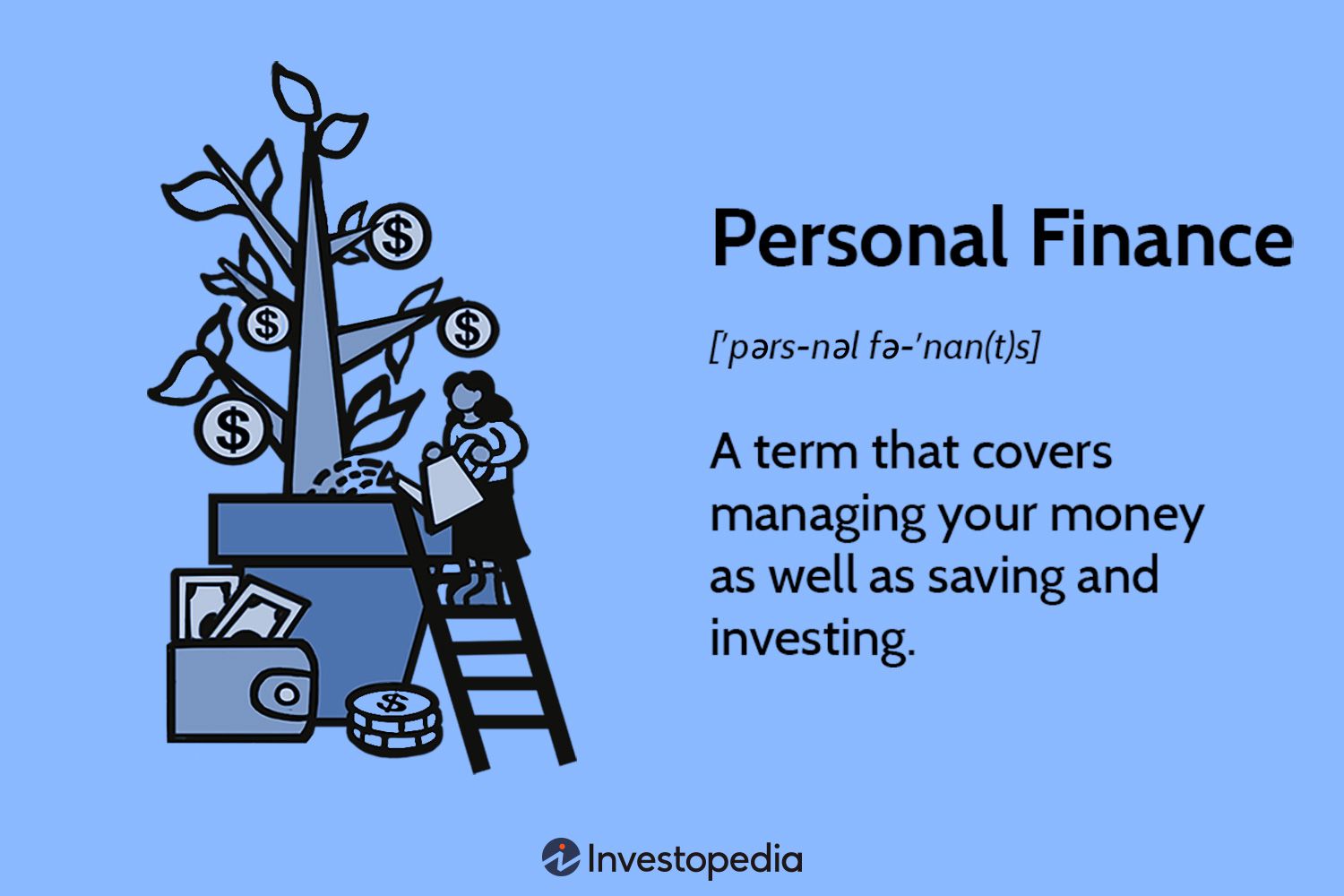
Understanding Where Your Money Goes
For many people, managing money feels complicated at first. Salaries arrive, bills get paid, shopping happens, and somehow there never seems to be as much money left at the end of the month as expected. This situation is common, especially for beginners who are just starting to take control of their finances.
Imagine a young professional receiving their first full-time salary. The excitement of earning money independently is often followed by a long list of expenses. Rent, groceries, transportation, subscriptions, entertainment, and unexpected purchases quickly begin to consume income. Without a clear understanding of spending habits, it becomes difficult to know where the money actually goes.
The first step in personal finance is awareness. Before building wealth or investing, people need to understand their current financial situation. This means tracking income and expenses honestly.
A simple method is to record every expense for a month. Many people are surprised when they see the results. Small purchases such as coffee, food delivery, online subscriptions, and impulse shopping often add up to significant amounts over time.
Once spending patterns become clear, expenses can usually be divided into two categories. The first category includes essential expenses such as housing, food, transportation, healthcare, and utility bills. These are necessary for daily living. The second category includes discretionary spending, which covers entertainment, dining out, hobbies, and non-essential purchases.
The goal is not to eliminate enjoyable spending. Personal finance is not about living an unhappy life. Instead, it is about understanding choices and making sure money is being used in ways that support personal goals.
Creating a basic monthly budget becomes much easier after tracking expenses. A budget simply tells money where to go instead of wondering where it went. It provides structure and helps prevent overspending.
Many successful savers use a simple rule: save first and spend what remains, rather than spending first and saving whatever is left. Even small amounts saved consistently can make a significant difference over time.
Learning where money goes is often the moment when financial management begins to feel less overwhelming and more controllable.
Building Healthy Financial Habits
Once spending habits are understood, the next step is developing routines that support long-term financial stability.
One of the most important habits is paying bills on time. Late payments can result in penalties, higher interest charges, and damaged credit histories. Setting up automatic payments or calendar reminders can help avoid unnecessary costs.
Another valuable habit is creating an emergency fund. Life is unpredictable. Cars break down, appliances fail, medical expenses arise, and unexpected situations occur. Without emergency savings, people often rely on credit cards or loans during difficult times.
An emergency fund acts as a financial safety net. Many financial experts recommend saving enough money to cover several months of essential expenses. Building this fund does not happen overnight. It starts with setting aside small amounts regularly.
Imagine someone saving just a small percentage of each paycheck. At first, the balance may seem insignificant. However, after several months, the fund begins to grow. Eventually, it can provide valuable protection during unexpected events.
Avoiding unnecessary debt is another important habit. Not all debt is bad. Some forms of borrowing, such as education loans, business financing, or mortgages, may help people achieve important goals. Problems usually arise when debt is used repeatedly for non-essential spending.
Credit cards can be useful financial tools when managed responsibly. They offer convenience and may provide rewards or consumer protections. However, carrying large balances can lead to high interest charges that make financial progress more difficult.
Developing patience is often one of the most valuable money skills. Modern technology makes spending incredibly easy. A few clicks can result in purchases being delivered within days or even hours. Waiting before making large purchases often helps people determine whether they truly need an item or simply want it in the moment.
Good financial habits rarely produce dramatic results immediately. Their power comes from consistency. Small positive actions repeated over months and years create significant improvements in financial health.
Saving, Investing, and Growing Wealth
Many beginners believe saving and investing are only for wealthy individuals. In reality, building wealth often starts with modest amounts and regular contributions.
Saving and investing serve different purposes. Savings are typically intended for short-term goals and emergencies. The money remains accessible and relatively stable. Investing focuses on long-term growth and usually involves accepting some level of risk in exchange for potential returns.
Imagine two friends who begin earning money at the same age. One spends nearly everything they earn. The other consistently saves and invests a small portion of income every month. Initially, there may not appear to be much difference between them. However, over many years, the second person often accumulates significantly greater financial resources.
This happens because of compound growth. Money that earns returns can generate additional returns over time. The longer money remains invested, the greater the potential impact of compounding.
For beginners, investing can seem intimidating because of unfamiliar terms such as stocks, bonds, mutual funds, exchange-traded funds, and retirement accounts. The good news is that understanding every detail is not necessary before getting started.
Many people begin by learning basic investment principles. Diversification, for example, means spreading investments across different assets rather than relying entirely on one company or investment. This approach helps reduce risk.
Long-term investing often proves more effective than trying to predict short-term market movements. Markets naturally experience periods of growth and decline. Investors who remain patient and focused on long-term goals often avoid many common mistakes caused by fear or excitement.
Retirement planning is another important part of personal finance. Retirement may seem distant for younger adults, but starting early offers significant advantages. Even small contributions made consistently over decades can grow substantially.
Setting financial goals provides motivation and direction. Some people save for a home. Others focus on education, travel, starting a business, or achieving financial independence. Clear goals make it easier to prioritize spending and saving decisions.
Wealth building is usually not the result of a single lucky investment. More often, it comes from disciplined habits, consistent contributions, and a long-term perspective.
Creating a Financial Future with Confidence
As financial knowledge grows, people often become more confident about managing money and making important decisions.
Financial confidence does not mean knowing everything. Even experienced investors and business owners continue learning throughout their lives. Confidence comes from understanding basic principles and applying them consistently.
A useful step is regularly reviewing financial progress. This might involve checking savings balances, monitoring expenses, evaluating investments, and updating financial goals. Regular reviews help identify both successes and areas for improvement.
Insurance is another important part of financial planning. Health insurance, life insurance, property insurance, and other forms of coverage help protect against major financial losses. While insurance may seem like an additional expense, it can prevent much larger problems during emergencies.
Increasing income can also play an important role in financial growth. Many people focus entirely on reducing expenses, but improving skills, pursuing promotions, starting side businesses, or exploring new opportunities can significantly increase earning potential.
Financial education has become more accessible than ever. Books, podcasts, online courses, videos, and financial websites provide valuable information for people who want to improve their money management skills. Learning gradually over time often leads to better decisions.
One common mistake beginners make is comparing themselves to others. Social media often creates unrealistic impressions of wealth and success. People may see luxury vacations, expensive cars, or large homes without understanding the financial realities behind them. Personal finance is most effective when focused on individual goals rather than competition.
The journey toward financial stability rarely follows a perfect path. Unexpected expenses, economic changes, career transitions, and personal challenges affect everyone at different times. What matters most is maintaining good habits and continuing to make progress.
Managing money is not about becoming rich overnight. It is about creating security, reducing stress, and building opportunities for the future. Every paycheck, every budget decision, every saved dollar, and every thoughtful investment contributes to that process.
For beginners, personal finance may initially seem overwhelming. Yet once the basic principles become clear—understanding spending, building healthy habits, saving consistently, investing wisely, and planning for the future—the path becomes much easier to follow. Over time, these simple steps can lead to greater financial freedom, more choices, and a stronger sense of confidence about the future.