
A Home That Understands Your Daily Routine
Not long ago, the idea of a home that could respond to voice commands, adjust lighting automatically, or send security alerts to a smartphone seemed like something from a futuristic movie. Most people controlled everything manually. Lights were switched on and off by hand, thermostats required constant adjustment, and home security often depended on simple locks and alarms.
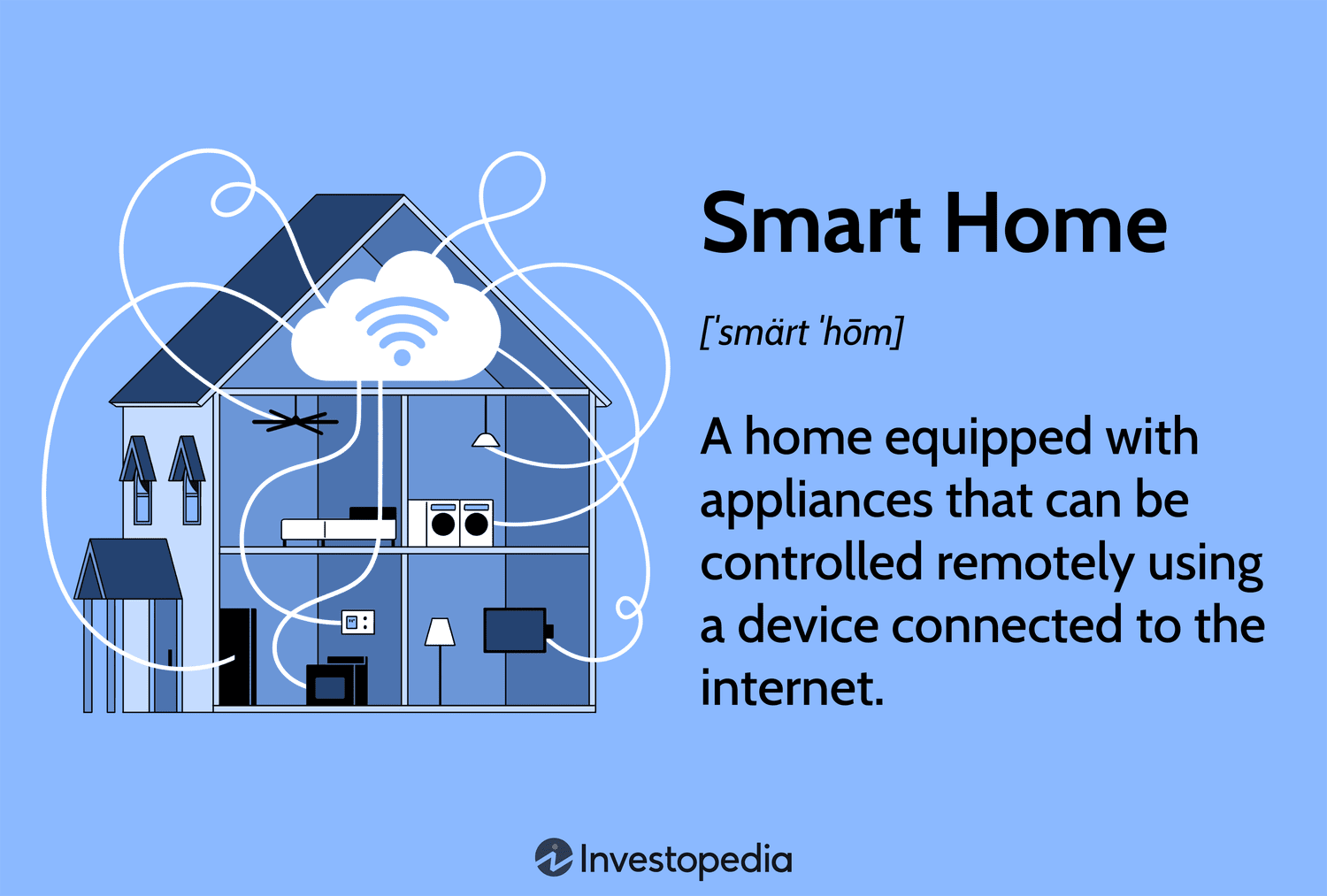
Today, smart homes are becoming increasingly common around the world. Technology has moved beyond offices and smartphones and entered the places where people live every day. A growing number of homeowners and renters are using connected devices that communicate with each other through the internet, making daily life more convenient and efficient.
Imagine a typical morning in a smart home. Before the alarm even rings, the thermostat has already adjusted the room temperature to a comfortable level. Smart blinds slowly open to let natural sunlight into the room. A coffee machine begins brewing coffee automatically based on a pre-set schedule. When the homeowner walks into the kitchen, smart lights turn on without touching a switch.
None of these actions require complicated technical knowledge. Most smart devices are designed to simplify everyday routines rather than add complexity. The goal is to remove small inconveniences that people face throughout the day.
For many families, smart homes are not about showing off advanced technology. Instead, they are about saving time, reducing effort, and making daily living more comfortable. As technology becomes more affordable, smart home systems are no longer limited to luxury houses. Apartments, small homes, and even student accommodations are beginning to incorporate connected devices.
The growing popularity of smart homes reflects a simple reality: people appreciate tools that make life easier. Whether it is controlling lights with a smartphone or receiving alerts when someone approaches the front door, smart technology offers practical benefits that fit naturally into modern lifestyles.
Smart Devices That Simplify Everyday Living
One reason smart homes are growing so quickly is the wide variety of devices available today. These products serve different purposes, but they all share a common goal of making daily tasks easier.
Smart speakers are often the starting point for many households. They allow users to play music, set reminders, check weather forecasts, create shopping lists, and control other connected devices using simple voice commands. Instead of searching for a phone or computer, people can simply ask a question and receive an immediate answer.
Smart lighting systems are another popular addition. Traditional lighting requires people to remember to switch lights on and off manually. Smart lights can be scheduled, controlled remotely, or activated automatically when someone enters a room. Some systems even adjust brightness throughout the day to match natural sunlight patterns.
Smart thermostats help manage indoor temperatures more efficiently. These devices learn household routines and automatically adjust heating or cooling settings. If everyone leaves the house, the system can reduce energy usage. Before people return home, the temperature can be adjusted again for comfort.
Kitchen technology has also become smarter. Connected refrigerators can help track groceries and suggest recipes. Smart ovens allow users to monitor cooking progress from their smartphones. Some appliances can even send notifications when food is ready.
Robot vacuum cleaners have become one of the most practical smart home devices. Instead of spending time cleaning floors manually, homeowners can schedule automatic cleaning sessions. Advanced models learn room layouts and navigate around furniture with minimal supervision.
Entertainment systems have also evolved significantly. Smart televisions provide access to streaming services, voice controls, and personalized content recommendations. Multiple devices throughout the home can work together to create a seamless entertainment experience.
Even simple tasks like watering plants have become easier. Smart irrigation systems monitor weather conditions and soil moisture levels, helping gardens stay healthy while reducing water waste.
What makes these devices particularly attractive is that they often work together. A single smartphone app can control lights, security cameras, thermostats, and entertainment systems from one place. This level of convenience explains why more households continue to adopt smart home technology every year.
How Smart Homes Improve Safety and Security
While convenience attracts many people to smart homes, safety is often an even stronger reason for adopting connected technology.
Traditional home security systems typically rely on alarms that activate when someone enters without permission. Modern smart security systems go much further by providing real-time information and remote monitoring capabilities.
Smart doorbells have become especially popular. These devices include cameras and motion sensors that allow homeowners to see visitors through their smartphones, even when they are away from home. Whether receiving a package delivery or checking who is at the door, users gain greater awareness of what is happening around their property.
Security cameras have also improved dramatically. Many systems now offer high-definition video, night vision, motion detection, and cloud storage. If unusual activity occurs, homeowners receive instant notifications. Some systems can distinguish between people, vehicles, and animals, reducing unnecessary alerts.
Smart locks provide another layer of security. Instead of relying solely on physical keys, homeowners can lock and unlock doors remotely. Temporary access codes can be created for guests, family members, maintenance workers, or delivery personnel. If someone forgets to lock a door, they can secure it using a smartphone from almost anywhere.
Fire and carbon monoxide detection systems have become smarter as well. Traditional detectors sound alarms within the home, but smart versions can also send alerts directly to mobile devices. This feature becomes particularly valuable when homeowners are away and need to respond quickly to emergencies.
Water leak detectors help prevent costly damage by identifying leaks early. A small leak under a sink or near a water heater might go unnoticed for days in a traditional home. Smart sensors can immediately notify homeowners, allowing them to take action before significant damage occurs.
For elderly family members living independently, smart home technology can provide additional peace of mind. Motion sensors, emergency alert systems, and health monitoring devices can help family members stay informed without being intrusive.
Parents also appreciate many of these features. Smart cameras and sensors can help monitor children, while smart locks provide greater control over who enters and exits the home.
As technology continues to improve, smart homes are becoming not only more convenient but also significantly safer, helping homeowners protect both people and property.
The Future of Connected Living
The smart home industry continues to evolve rapidly. Devices are becoming more intelligent, more affordable, and easier to use. As artificial intelligence becomes integrated into home systems, smart devices are beginning to understand user preferences more accurately.
Imagine returning home after work. The house already knows your typical routine. Lights adjust automatically, your favorite music begins playing softly, and the temperature reaches your preferred setting before you walk through the door. Rather than waiting for commands, future systems may anticipate needs and respond proactively.
Energy efficiency is expected to play a major role in future smart homes. Rising energy costs and environmental concerns are encouraging homeowners to adopt technologies that reduce waste. Smart energy management systems can monitor electricity usage, identify inefficiencies, and optimize power consumption throughout the day.
Solar panels, home batteries, and smart energy devices are increasingly being connected into integrated systems. These technologies help households manage energy more effectively while lowering utility bills.
Health-focused smart devices are also gaining attention. Air quality monitors can track indoor pollution levels. Smart beds can analyze sleep quality. Connected fitness equipment can provide personalized exercise recommendations based on user goals and activity patterns.
Voice control will likely become even more natural as speech recognition technology improves. Instead of issuing specific commands, people may communicate with their homes in a conversational manner. The home system will better understand context and respond accordingly.
At the same time, privacy and cybersecurity remain important considerations. Homeowners want assurance that their personal information and connected devices remain secure. Manufacturers continue investing in stronger security features and data protection measures to address these concerns.
What makes the rise of smart homes particularly interesting is that it reflects a broader shift in how people interact with technology. Devices are becoming less visible and more integrated into everyday life. The focus is moving away from technology itself and toward the benefits it provides.
For many people, a smart home is no longer a vision of the future. It is becoming a practical reality that offers greater comfort, convenience, efficiency, and security. As technology continues to advance, connected homes will likely become even more capable, helping people manage their daily lives with less effort and greater peace of mind.